When it comes to the world of pool cues, the choice of shaft material plays a pivotal role in determining the performance and feel of the cue. Two popular materials for pool cue shafts are maple and ash. As a pool cue supplier, I’ve had extensive experience with both types of shafts and can provide valuable insights into their differences. Pool Cue
Physical Characteristics
Density and Weight
Maple is a dense hardwood known for its consistent grain structure. This density gives maple shafts a solid and stable feel. The weight of a maple shaft can vary depending on the specific cut and treatment, but generally, it offers a relatively even weight distribution. This even distribution allows for better control during shots, as the player can more accurately predict the movement of the cue ball.
On the other hand, ash is a lighter wood compared to maple. Its lower density results in a shaft that is often more forgiving on the joints and can be easier to maneuver. The lighter weight of an ash shaft can also be advantageous for players who prefer a faster stroke, as it requires less effort to accelerate the cue.
Grain Pattern
Maple typically has a straight and tight grain pattern. This uniformity contributes to the shaft’s strength and durability. The straight grain also ensures that the shaft is less likely to warp over time, maintaining its shape and performance. In addition, the smooth surface of maple shafts provides a consistent grip, which is crucial for accurate aiming.
Ash, in contrast, has a more open and irregular grain pattern. This unique grain gives ash shafts a distinct appearance and can also affect their performance. The open grain allows for a bit more flexibility in the shaft, which can translate into a more powerful and responsive shot. However, the irregularity of the grain also means that ash shafts may be more prone to warping if not properly cared for.
Performance
Deflection
Deflection is an important factor in pool cue performance. It refers to the amount that the cue ball deviates from its intended path due to the side spin applied by the player. Maple shafts generally have a lower deflection rate compared to ash shafts. This is because of their dense and consistent grain structure, which allows for more precise control over the cue ball’s movement.
Ash shafts, with their more flexible nature, tend to have a higher deflection rate. While this may seem like a disadvantage, some players actually prefer the increased deflection as it can provide more spin and control in certain situations. For example, players who like to use a lot of English (side spin) may find that an ash shaft allows them to achieve more extreme spin effects.
Power Transfer
Power transfer is another crucial aspect of pool cue performance. It refers to how effectively the energy from the player’s stroke is transferred to the cue ball. Maple shafts are known for their excellent power transfer capabilities. The dense wood and straight grain allow for a more efficient transfer of energy, resulting in a more powerful shot.
Ash shafts, while not as efficient in power transfer as maple shafts, can still deliver a decent amount of power. The flexibility of the ash wood can absorb some of the energy from the stroke, which can result in a more controlled and smoother shot. However, players who rely on raw power may find that a maple shaft is a better choice.
Aesthetics
Appearance
Maple shafts are often prized for their clean and classic appearance. The straight grain and smooth surface give them a sleek and professional look. They can be easily stained or finished to match the style of the cue butt, making them a popular choice for custom cues.
Ash shafts, on the other hand, have a more rustic and natural appearance. The open grain and unique patterns give them a distinctive look that some players find appealing. Ash shafts can also be stained or finished, but they may retain some of their natural character even after treatment.
Customization
Both maple and ash shafts can be customized to suit the player’s preferences. However, maple shafts are generally more versatile when it comes to customization. The straight grain and smooth surface make it easier to engrave, inlay, or add decorative elements to the shaft. Ash shafts, with their irregular grain, may require more skill and expertise to customize, but they can still be transformed into unique and personalized cues.
Durability
Resistance to Wear and Tear
Maple is a very durable wood that can withstand a lot of use and abuse. The dense grain structure makes it resistant to scratches, dents, and warping. Maple shafts can last for many years with proper care and maintenance.
Ash, while also a durable wood, is not as resistant to wear and tear as maple. The open grain can make it more susceptible to scratches and dents, and the shaft may require more frequent maintenance to keep it in good condition. However, with proper care, an ash shaft can still provide many years of reliable use.
Maintenance
Both maple and ash shafts require regular maintenance to keep them in top condition. This includes cleaning the shaft after each use, using a cue cleaner and a soft cloth to remove dirt and debris. It is also important to store the cue in a case or rack to protect it from damage.
In addition, maple shafts may benefit from occasional sanding and refinishing to maintain their smooth surface and appearance. Ash shafts may require more frequent oiling to keep the wood hydrated and prevent it from drying out and cracking.
Cost
Price Range
Maple shafts are generally more expensive than ash shafts. This is due to the higher cost of the maple wood and the more complex manufacturing process required to produce a high-quality maple shaft. However, the price of a maple shaft can vary depending on the quality and brand.
Ash shafts are more affordable, making them a popular choice for beginner and intermediate players. They offer a good balance of performance and price, and can be a great option for players who are on a budget.
Conclusion
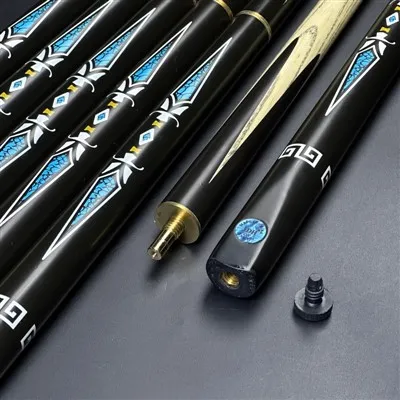
In conclusion, the choice between a maple and an ash pool cue shaft depends on a variety of factors, including personal preference, playing style, and budget. Maple shafts offer a more consistent and precise performance, with lower deflection and better power transfer. They are also more durable and easier to customize. Ash shafts, on the other hand, are lighter and more flexible, with a higher deflection rate and a more rustic appearance. They are also more affordable, making them a good option for players who are just starting out.
107 Snooker Ball As a pool cue supplier, I can help you choose the right shaft for your needs. Whether you’re a professional player looking for the ultimate performance or a beginner just starting out, I have a wide range of pool cues and shafts to choose from. Contact me to discuss your options and start your journey to becoming a better pool player.
References
- "The Complete Guide to Pool Cues" by Billiards Digest
- "Pool Cue Shafts: A Comprehensive Overview" by Pool and Billiard Magazine
- "Understanding the Differences Between Maple and Ash Pool Cue Shafts" by CueMaker.com
Taishan Kekelan Trading Co., Ltd.
We’re well-known as one of the leading pool cue manufacturers and suppliers in China, specialized in providing high quality customized service for global clients. We warmly welcome you to wholesale bulk durable pool cue for sale here from our factory.
Address: No. 7, Changtang Development Zone, Shuibu Town, Taishan City, Jiangmen City, Guangdong Province, China
E-mail: 2633348912@qq.com
WebSite: https://www.kklcue.com/
