Hey there! I’m a supplier of carved and painted doors, and I often get asked if it’s possible to use a faux finish technique to paint a carved door. Well, the short answer is yes, you totally can! In this blog post, I’ll share my insights on using faux finish techniques on carved doors, including the benefits, the process, and some tips to make your project a success. Carved & Paint Door

Why Use Faux Finish on a Carved Door?
First off, let’s talk about why you might want to use a faux finish on a carved door. Faux finish techniques can add a lot of character and depth to your door, making it look more expensive and unique. Whether you’re going for a rustic, antique, or modern look, there’s a faux finish technique that can help you achieve it.
One of the biggest advantages of using a faux finish on a carved door is that it can enhance the details of the carving. The different layers and textures of the faux finish can make the carving stand out and give it a three-dimensional effect. This can really make your door a focal point in your home.
Another benefit is that faux finish can be a cost-effective way to update an old or plain door. Instead of replacing the door, you can simply give it a new look with a faux finish. It’s a great way to add value to your home without breaking the bank.
Choosing the Right Faux Finish Technique
There are several faux finish techniques you can use on a carved door, and the right one for you will depend on the look you’re going for. Here are some popular faux finish techniques and how they can work on a carved door:
1. Rag Rolling
Rag rolling is a simple and effective way to create a textured finish on your door. To do this, you’ll need a roller and a piece of rag. First, apply a base coat of paint to your door. Then, dip the rag in a second color of paint and roll it onto the door in a random pattern. This will create a marbled or mottled effect that can add depth and interest to the carving.
2. Sponging
Sponging is another easy faux finish technique that can work well on a carved door. You’ll need a sponge and two or more colors of paint. Apply a base coat of paint to the door, and then dip the sponge in a second color of paint. Dab the sponge onto the door in a random pattern, being careful not to overdo it. This will create a soft, textured look that can enhance the carving.
3. Glazing
Glazing is a more advanced faux finish technique that can create a rich, antique look on your door. To do this, you’ll need a glaze and a brush. Apply a base coat of paint to the door, and then apply the glaze over the top. Use the brush to work the glaze into the carving and create a streaky, aged effect. You can also use a dry brush to highlight the raised areas of the carving.
4. Crackle Finish
A crackle finish can give your door a unique, distressed look. To create a crackle finish, you’ll need a crackle medium and two colors of paint. Apply a base coat of paint to the door, and then apply the crackle medium over the top. Once the crackle medium is dry, apply a second color of paint. As the paint dries, it will crack, creating a crackled effect. This can be a great way to add character to a carved door.
The Process of Applying a Faux Finish to a Carved Door
Now that you’ve chosen the right faux finish technique for your door, it’s time to get started. Here’s a step-by-step guide to applying a faux finish to a carved door:
Step 1: Prepare the Door
Before you start painting, you’ll need to prepare the door. This includes cleaning the door to remove any dirt, dust, or grease. You can use a mild detergent and water to clean the door, and then dry it thoroughly. If the door has any rough or uneven areas, you may need to sand them down to create a smooth surface.
Step 2: Apply the Base Coat
Once the door is clean and dry, it’s time to apply the base coat of paint. Choose a color that will complement the faux finish technique you’ve chosen. Use a brush or a roller to apply the paint evenly to the door, making sure to get into all the nooks and crannies of the carving. Let the base coat dry completely before moving on to the next step.
Step 3: Apply the Faux Finish
Now it’s time to apply the faux finish. Follow the instructions for the specific technique you’ve chosen, and be sure to work in small sections at a time. Use a brush, roller, or sponge to apply the paint or glaze, and be careful not to overdo it. You want to create a natural-looking effect that enhances the carving, not covers it up.
Step 4: Let the Faux Finish Dry
After you’ve applied the faux finish, let it dry completely. This may take several hours or even a day, depending on the type of paint or glaze you’ve used. Once the faux finish is dry, you can apply a clear coat of sealer to protect the finish and give it a more durable look.
Step 5: Add Final Touches
Once the sealer is dry, you can add any final touches to your door. This may include adding hardware, such as hinges and knobs, or adding decorative elements, such as moldings or trim. You can also choose to add a coat of wax to give the door a more polished look.
Tips for a Successful Faux Finish on a Carved Door
Here are some tips to help you achieve a successful faux finish on a carved door:
- Test the Faux Finish on a Small Area First: Before you apply the faux finish to the entire door, test it on a small, inconspicuous area to make sure you like the look. This will give you a chance to make any adjustments before you commit to the entire door.
- Use High-Quality Paints and Materials: Using high-quality paints and materials will ensure that your faux finish looks great and lasts for a long time. Invest in good-quality brushes, rollers, and sponges, and choose paints and glazes that are specifically designed for faux finishing.
- Work in Small Sections: When applying the faux finish, work in small sections at a time to ensure that you have control over the application. This will also help you avoid creating streaks or uneven areas.
- Be Patient: Faux finishing takes time and patience. Don’t rush the process, and make sure each layer has enough time to dry before you move on to the next step.
- Practice Makes Perfect: If you’re new to faux finishing, practice on a piece of scrap wood or a small door before you tackle your carved door. This will help you get the hang of the technique and build your confidence.
Conclusion
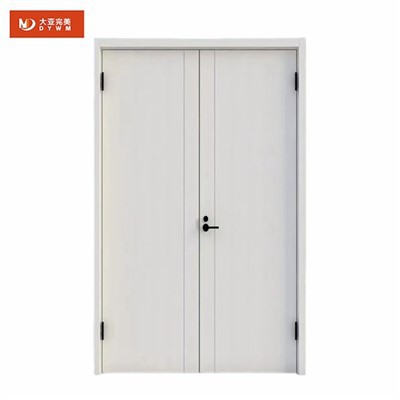
So, there you have it! Using a faux finish technique to paint a carved door is a great way to add character and depth to your door. Whether you’re going for a rustic, antique, or modern look, there’s a faux finish technique that can help you achieve it. By following the steps and tips outlined in this blog post, you can create a beautiful, one-of-a-kind door that will enhance the look of your home.
PVC Door If you’re interested in purchasing a carved and painted door or have any questions about faux finishing techniques, feel free to reach out to me. I’d be happy to help you find the perfect door for your home and provide you with more information on faux finishing. Let’s start a conversation and bring your door vision to life!
References
- Faux Finishing Techniques: A Comprehensive Guide by Jane Smith
- The Art of Faux Painting by John Doe
- Carved Door Design and Decoration by Sarah Johnson
One May Dee Show Furniture Co., Ltd.
As one of the most professional carved & paint door manufacturers and suppliers in China, we’re featured by quality products and good price. Please rest assured to wholesale cheap carved & paint door made in China here and get quotation from our factory. Customized orders are welcome.
Address: Laomiao Village, Dacheng Town, Sanyuan County, Xianyang City, Shaanxi Province, China.
E-mail: trade@omdoor.com
WebSite: https://www.omdoor.com/
