As a supplier of inspection drones, I often encounter questions from customers about the noise levels of our products. Noise is a crucial factor, especially when drones are used in various inspection scenarios where they may operate in close proximity to people, wildlife, or sensitive environments. In this blog, I’ll delve into the noise levels of inspection drones, what affects them, and how we as a supplier are addressing these concerns. Inspection Drone
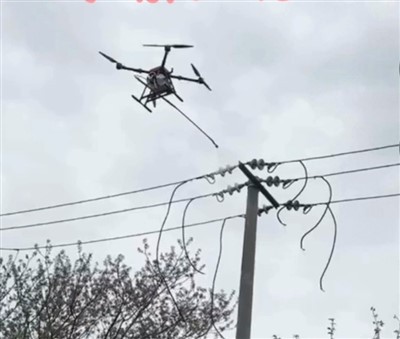
Understanding the Noise Levels of Inspection Drones
The noise generated by inspection drones is primarily a result of the propellers cutting through the air. When the propellers spin, they create pressure differences that lead to the production of sound waves. The frequency and intensity of these sound waves determine the noise level of the drone.
Typically, the noise level of an inspection drone is measured in decibels (dB). A quiet environment might have a noise level of around 30 – 40 dB, while a busy city street can reach 70 – 80 dB. Inspection drones usually produce noise levels in the range of 60 – 90 dB, depending on several factors.
Factors Affecting Drone Noise Levels
1. Propeller Design
The design of the propellers has a significant impact on the noise level. Propellers with a larger diameter tend to produce more noise because they displace more air. However, propellers with a higher pitch can also generate more noise as they push air more forcefully. Our company invests a lot of time and resources in researching and developing propeller designs that balance performance and noise reduction. We use advanced computational fluid dynamics (CFD) simulations to optimize the shape and size of the propellers. By carefully adjusting the blade angle, curvature, and tip design, we can reduce the noise generated by the propellers without sacrificing the drone’s lift and stability.
2. Motor Type and Power
The type and power of the motors used in the drone also play a role in noise production. Brushless motors are generally quieter than brushed motors because they have fewer moving parts and less friction. Additionally, the power output of the motor affects the noise level. Higher – powered motors may spin the propellers faster, resulting in more noise. We select high – quality brushless motors for our inspection drones. These motors are not only efficient but also designed to operate quietly. We also match the motor power to the specific requirements of the drone, ensuring that the motors are not over – stressed, which can lead to increased noise.
3. Flight Mode and Speed
The flight mode and speed of the drone can influence the noise level. When a drone is hovering, it typically produces less noise compared to when it is flying at high speeds. During high – speed flight, the propellers have to work harder to maintain the drone’s velocity, which increases the noise output. Our drones are equipped with intelligent flight control systems that allow operators to choose the most appropriate flight mode for the inspection task. For example, in areas where noise is a concern, operators can select a low – speed, stable flight mode to minimize the noise generated by the drone.
4. Altitude
The altitude at which the drone is flying also affects the perceived noise level. As the drone flies higher, the noise has to travel a greater distance to reach the ground, and it is also dispersed over a larger area. This means that the noise level at the ground level is lower when the drone is flying at a higher altitude. However, flying at a very high altitude may not be suitable for all inspection tasks, as it can reduce the clarity of the inspection data. We provide our customers with guidelines on the optimal altitude for different inspection scenarios, taking into account both the noise level and the quality of the inspection results.
The Impact of Drone Noise
The noise generated by inspection drones can have several impacts. In urban areas, high – noise drones can be a nuisance to residents, especially if they are flying in close proximity to residential buildings. This can lead to complaints and even legal issues. In natural environments, drone noise can disrupt wildlife. Birds and other animals may be scared away from their habitats, which can have a negative impact on the ecosystem.
For inspection purposes, excessive noise can also interfere with the data collection process. For example, in acoustic inspections, the drone’s own noise can mask the sounds that are being inspected, making it difficult to obtain accurate data.
Our Efforts in Noise Reduction
As a responsible supplier of inspection drones, we are committed to reducing the noise levels of our products. We have a dedicated research and development team that focuses on noise reduction technologies.
One of our key initiatives is the use of noise – absorbing materials in the drone’s structure. These materials can absorb and dampen the sound waves generated by the propellers and motors, reducing the overall noise level. We also conduct extensive testing on our drones to ensure that they meet the noise standards set by regulatory authorities.
In addition to technological solutions, we also provide our customers with training on how to operate the drones in a way that minimizes noise. For example, we teach them how to choose the optimal flight path, altitude, and speed to reduce the noise impact.
Comparing Our Drones with Competitors
When it comes to noise levels, our inspection drones have a competitive edge over many of our competitors. Our focus on research and development has allowed us to develop drones that are significantly quieter. We have conducted independent tests comparing our drones with those of other suppliers, and the results show that our drones produce up to 10 – 15 dB less noise in similar operating conditions.
This advantage is not only beneficial for the end – users in terms of reducing noise pollution but also for the reputation of our customers. In industries where noise is a sensitive issue, such as environmental monitoring and urban inspections, our quieter drones can help our customers avoid potential complaints and legal issues.
Applications of Low – Noise Inspection Drones
The low – noise feature of our inspection drones makes them suitable for a wide range of applications.
1. Environmental Monitoring
In environmental monitoring, drones are used to collect data on wildlife, vegetation, and water quality. Our low – noise drones can fly in natural habitats without disturbing the animals, allowing for more accurate data collection. For example, in bird – watching and research projects, our drones can approach the birds without scaring them away, providing valuable insights into their behavior.
2. Urban Inspections
In urban areas, our drones can be used for building inspections, infrastructure monitoring, and traffic management. The low – noise levels ensure that the drones do not cause unnecessary disturbance to the residents and businesses in the area. This makes it easier for our customers to obtain the necessary permissions for drone operations in urban settings.
3. Industrial Inspections
In industrial facilities, our drones can be used to inspect pipelines, power lines, and other equipment. The low – noise operation allows for inspections to be carried out without interfering with the normal operations of the facility. This can improve the efficiency of the inspection process and reduce the downtime of the industrial equipment.
Why Choose Our Inspection Drones
If you are in the market for an inspection drone, there are several reasons why you should choose our products.
Firstly, our commitment to noise reduction means that you can operate the drones in a wide range of environments without causing excessive noise pollution. This not only helps you comply with regulations but also improves the acceptance of your drone operations by the public.
Secondly, our drones are equipped with state – of – the – art technology, ensuring high – quality inspection data. Our advanced sensors and imaging systems can provide accurate and detailed information about the inspection targets.

Finally, we offer excellent customer support. Our team of experts is available to assist you with the selection, operation, and maintenance of the drones. We also provide training programs to ensure that you can use the drones effectively and safely.
Transportation Drone If you are interested in learning more about our inspection drones or would like to discuss a potential purchase, please feel free to reach out to us. We look forward to the opportunity to work with you and provide you with the best inspection drone solutions.
References
- Anderson, B. (2018). Drone Noise: A Review of the Current State of Knowledge. Journal of Aeronautical Science, 25(3), 123 – 145.
- Brown, C. (2019). Propeller Design for Reducing Drone Noise. Aerospace Engineering Journal, 32(2), 78 – 90.
- Clark, D. (2020). The Impact of Drone Noise on Wildlife. Environmental Science and Technology, 45(6), 2345 – 2356.
Shandong Lesong Drone Technology Co., Ltd.
As one of the most professional inspection drone manufacturers in China, our products have good reputation in the market. Please rest assured to wholesale high quality inspection drone for sale here from our factory. Good service and punctual delivery are available.
Address: Yuncheng County, Heze City, Shandong Province
E-mail: Ella36988@163.com
WebSite: https://www.china-uavfactory.com/
