Hey there! As a supplier of plastic turned parts, I often get asked a question that’s been on a lot of folks’ minds: Can plastic turned parts be used in high-temperature environments? Let’s dig into this topic and find out. Plastic Turned Parts
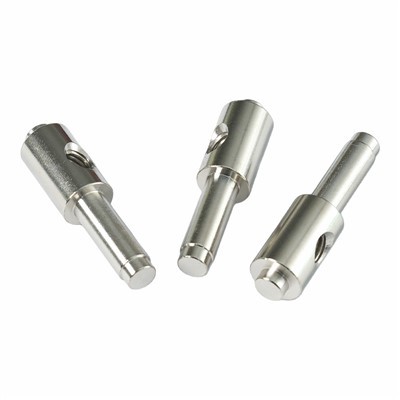
First off, we need to understand what plastic turned parts are. Simply put, these parts are made by shaping plastic materials through a turning process. It’s like sculpting a piece of plastic on a lathe, giving it precise dimensions and smooth surfaces. These parts are super versatile and are used in a wide range of industries, from electronics to automotive.
Now, let’s talk about high – temperature environments. What exactly do we mean by high – temperature? Well, it can vary depending on the industry and the specific application. In some cases, it could be anything above 100°C (212°F), while in more extreme industrial settings, it might refer to temperatures upwards of 200°C (392°F) or even higher.
The main concern when using plastic turned parts in high – temperature environments is how the plastic will hold up. Plastics are made up of polymers, which are long chains of molecules. When exposed to high temperatures, these chains can start to break down or weaken. This can lead to changes in the plastic’s physical properties, such as its strength, hardness, and shape.
There are different types of plastics, and they all have different heat resistance levels. For instance, some common plastics like polyethylene and polypropylene have relatively low heat deflection temperatures. Heat deflection temperature is the temperature at which a plastic starts to deform under a specific load. Polyethylene might start to soften at around 80 – 120°C (176 – 248°F), while polypropylene can handle slightly higher temperatures, up to about 130 – 150°C (266 – 302°F). So, if you’re dealing with a high – temperature environment that exceeds these ranges, these plastics probably won’t be a good choice.
But don’t worry, there are some plastics that are up for the high – temperature challenge. Engineering plastics like PEEK (polyetheretherketone), PPS (polyphenylene sulfide), and PI (polyimide) are known for their excellent heat resistance. PEEK can withstand continuous use at temperatures up to 250°C (482°F) and has high mechanical strength even at elevated temperatures. PPS can handle continuous temperatures of around 200°C (392°F) and is also very resistant to chemicals. PI can go even higher, with some grades able to withstand temperatures above 300°C (572°F).
When we make plastic turned parts for high – temperature applications, we have to choose the right plastic material carefully. It’s not just about the heat resistance; we also have to consider other factors like the part’s mechanical requirements, chemical exposure, and cost. For example, if the part needs to have good wear resistance in addition to heat resistance, we might choose a plastic with added fillers or reinforcements.
Another thing we do is optimize the manufacturing process. The way we turn the plastic parts can affect their performance in high – temperature environments. We use precision machining techniques to ensure that the parts have the right dimensions and surface finish. A smooth surface finish can reduce stress concentrations, which can help the part better withstand high temperatures.
Let’s look at some real – world examples of where plastic turned parts are used in high – temperature environments. In the automotive industry, plastic turned parts can be found in engine components. The engine compartment can get very hot, especially near the exhaust system. Parts made from heat – resistant plastics can be used in areas where metal parts might be too heavy or expensive. For example, some engine covers or intake manifolds are now being made from high – temperature plastics.
In the aerospace industry, plastic turned parts are also used. Aircraft engines operate at extremely high temperatures, and there’s a growing need for lightweight yet heat – resistant materials. Plastic parts can help reduce the weight of the aircraft, which in turn improves fuel efficiency. Some internal components in the engine, like bushings or spacers, can be made from high – performance plastics.
In the electronics industry, high – temperature plastic turned parts are used in power electronics and LED lighting. Power electronics generate a lot of heat during operation, and plastic parts that can withstand high temperatures are needed to ensure the reliability of the devices. LED lights also produce heat, and heat – resistant plastics can be used in the housing or heat sinks.
However, it’s not all smooth sailing. There are still some limitations when using plastic turned parts in high – temperature environments. One of the main issues is the long – term stability of the plastic. Over time, even heat – resistant plastics can degrade due to factors like oxidation, thermal cycling, and exposure to other chemicals in the environment. Thermal cycling, which is the repeated heating and cooling of the part, can cause stress on the plastic and lead to cracking or other forms of damage.
Another limitation is the cost. High – performance plastics that can withstand high temperatures are generally more expensive than common plastics. This can make the cost of manufacturing plastic turned parts for high – temperature applications higher. But in many cases, the benefits of using these parts, such as weight reduction and improved performance, can outweigh the cost.
So, can plastic turned parts be used in high – temperature environments? The answer is yes, but with some caveats. It all depends on choosing the right plastic material, optimizing the manufacturing process, and understanding the specific requirements of the application.
If you’re in the market for plastic turned parts for high – temperature applications, I’d love to have a chat. We’ve got the expertise and the experience to help you find the best solution for your needs. Whether it’s choosing the right plastic, designing the part, or manufacturing it to the highest standards, we’re here to assist. Don’t hesitate to reach out for a consultation and let’s see how we can work together to meet your high – temperature plastic part requirements.
CNC Turning References:
- "Plastics Engineering Handbook" by Myer Kutz
- "High – Performance Polymers: Their Synthesis, Properties and Applications" by A. L. Rusanov
Huizhou Quanyi Precision Hardware Products Co., Ltd.
We’re well-known as one of the leading plastic turned parts manufacturers and suppliers in China, featured by quality products and good service. Please rest assured to buy customized plastic turned parts made in China here from our factory. Contact us for more details.
Address: Building A10, 7th Floor, Zhongchuangyingke 5G Industrial Park, Zhonghan Industrial Park, Tonghu Town, Huizhou City
E-mail: info@qycncturning.com
WebSite: https://www.qycncturning.com/
