Hydraulic breakers are powerful tools widely used in construction, mining, and demolition industries. As a leading hydraulic breaker supplier, I understand the importance of maintaining these essential machines to ensure their optimal performance and longevity. One of the critical components of a hydraulic breaker is the cylinder, which plays a crucial role in the breaker’s operation. Here, I will share some professional advice on how to maintain the cylinder of a hydraulic breaker. Hydraulic Breaker

Understanding the Cylinder’s Function in a Hydraulic Breaker
Before delving into maintenance tips, it’s essential to understand the cylinder’s function in a hydraulic breaker. The cylinder is the heart of the breaker, responsible for converting hydraulic pressure into mechanical force. It houses the piston, which moves back and forth under the influence of hydraulic fluid, striking the chisel or tool at the end of the breaker. This repetitive motion generates the immense impact force needed to break through tough materials like concrete, rock, and asphalt.
Regular Inspection of the Cylinder
Regular inspection is the cornerstone of cylinder maintenance. This should be done before and after each use, as well as during routine maintenance intervals. Start by visually examining the cylinder for any signs of damage, such as cracks, dents, or scratches. These imperfections can compromise the cylinder’s integrity and lead to leaks or reduced performance.
Check the cylinder for oil leaks. Hydraulic fluid leaks are a common problem in hydraulic breakers and can indicate a worn or damaged seal in the cylinder. Look for signs of oil around the cylinder’s connections, ports, and seals. A small leak may seem insignificant, but over time, it can lead to a loss of hydraulic pressure and reduced breaker performance.
Inspect the cylinder’s mounting bolts and connections. Loose or damaged bolts can cause the cylinder to shift or vibrate excessively, leading to premature wear and damage. Tighten any loose bolts and replace any damaged ones to ensure the cylinder is securely mounted.
Proper Cleaning of the Cylinder
Keeping the cylinder clean is essential for its proper functioning. Dirt, dust, and debris can accumulate on the cylinder’s surface and inside its components, causing abrasion and wear. Use a clean, dry cloth to wipe the cylinder’s exterior regularly. Avoid using harsh chemicals or abrasive cleaners, as these can damage the cylinder’s finish.
If the cylinder is heavily soiled, use a mild detergent and water solution to clean it. Rinse the cylinder thoroughly with clean water and dry it completely before reassembling the breaker. Make sure to clean the cylinder’s ports and connections to prevent any blockages that could affect the flow of hydraulic fluid.
Maintaining the Hydraulic Fluid
The hydraulic fluid in the breaker is not only the medium for transmitting power but also plays a crucial role in lubricating and cooling the cylinder. Therefore, maintaining the proper quality and quantity of hydraulic fluid is essential for cylinder maintenance.
Check the hydraulic fluid level regularly. Low fluid levels can cause the cylinder to overheat and lead to premature wear. Refer to the breaker’s manual for the correct fluid level and top up the fluid as needed. Use only the recommended type of hydraulic fluid for your breaker, as using the wrong fluid can cause damage to the cylinder and other components.
Change the hydraulic fluid and filter at the recommended intervals. Over time, the hydraulic fluid can become contaminated with dirt, debris, and metal particles, which can cause abrasion and wear in the cylinder. Changing the fluid and filter regularly helps to remove these contaminants and keep the hydraulic system clean.
Lubrication of the Cylinder
Proper lubrication is essential for reducing friction and wear in the cylinder. The cylinder’s piston and other moving parts require regular lubrication to ensure smooth operation and prevent premature failure.
Use the recommended lubricant for your breaker. The lubricant should be compatible with the hydraulic fluid and the materials used in the cylinder. Apply the lubricant to the cylinder’s piston, seals, and other moving parts according to the manufacturer’s instructions.
Some hydraulic breakers are equipped with an automatic lubrication system. If your breaker has this feature, make sure to keep the lubricant reservoir filled and the system functioning correctly. Regularly check the lubrication system for any leaks or blockages and address them promptly.
Avoiding Overloading the Breaker
Overloading the hydraulic breaker can put excessive stress on the cylinder and other components, leading to premature wear and damage. Make sure to use the breaker within its recommended capacity and avoid using it on materials that are too hard or thick for the breaker’s specifications.
When using the breaker, apply the correct amount of pressure and avoid forcing the tool into the material. Let the breaker’s impact force do the work, and use the appropriate technique to ensure efficient and effective operation.
Storing the Breaker Properly
Proper storage is also important for cylinder maintenance. When the breaker is not in use, store it in a clean, dry place away from moisture, dust, and extreme temperatures. Cover the breaker with a protective cover to prevent dirt and debris from accumulating on the cylinder and other components.
If the breaker will be stored for an extended period, it’s a good idea to drain the hydraulic fluid and lubricate the cylinder and other moving parts to prevent corrosion and rust. Follow the manufacturer’s instructions for long-term storage to ensure the breaker is in good condition when it’s time to use it again.
Training and Education for Operators
Finally, providing proper training and education for operators is crucial for maintaining the cylinder of a hydraulic breaker. Operators should be trained on the correct use, maintenance, and safety procedures for the breaker. They should understand the importance of regular inspection, cleaning, lubrication, and proper operation to ensure the longevity and performance of the cylinder.
As a hydraulic breaker supplier, I offer comprehensive training programs for operators and maintenance personnel. These programs cover everything from the basics of hydraulic breaker operation to advanced maintenance techniques. By investing in training and education, you can ensure that your operators are well-equipped to maintain the cylinder and other components of your hydraulic breakers, reducing downtime and increasing productivity.
Conclusion
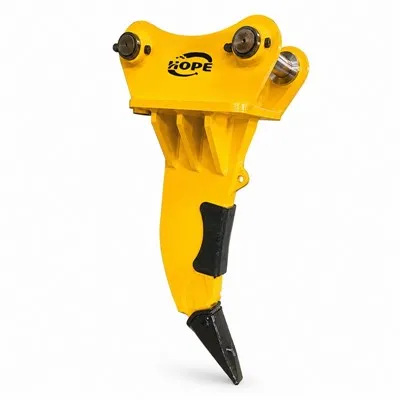
Excavator Attachment Maintaining the cylinder of a hydraulic breaker is essential for ensuring its optimal performance and longevity. By following these tips, you can keep your breaker’s cylinder in good condition and avoid costly repairs and replacements. As a trusted hydraulic breaker supplier, I am committed to providing high-quality products and expert advice to help you get the most out of your hydraulic breakers. If you have any questions about cylinder maintenance or need assistance with your breaker, don’t hesitate to contact me. I look forward to discussing your needs and helping you find the right solutions for your projects.
References
- Manufacturer’s manuals for various hydraulic breakers
- Industry best practices for hydraulic equipment maintenance
- Technical papers on hydraulic breaker design and operation
Hope Precision Machinery Co., Ltd.
As one of the most professional hydraulic breaker manufacturers and suppliers in China, we also support customized service. Please feel free to buy high quality hydraulic breaker for sale here from our factory. For more information, contact us now.
Address: No.8 Shenzhen Street, Development Zone, Yantai,Shandong ,China
E-mail: lulu@hope-breaker.com
WebSite: https://www.hopeequip.com/
