Hey there! As a supplier of threaded stainless steel tubes, I’ve seen my fair share of issues with leaks in tube joints. It’s a common headache for many folks out there, whether you’re in the plumbing business, working on a DIY project at home, or involved in some industrial application. But don’t worry, I’m here to share some tips on how to prevent those pesky leaks. Threaded Stainless Steel Tube
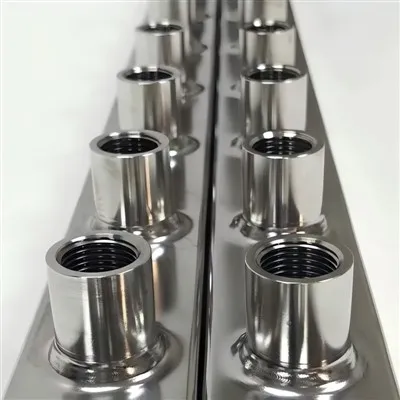
First off, let’s talk about why leaks happen in the first place. There are a few main culprits. One is improper installation. If the tubes aren’t threaded together correctly, or if the joint isn’t tightened enough, it can create gaps where fluid or gas can escape. Another issue can be wear and tear over time. The constant pressure and movement in a system can cause the threads to loosen or the sealing materials to break down. And then there’s the quality of the materials themselves. If you’re using low – grade stainless steel tubes or subpar sealing compounds, you’re setting yourself up for leaks.
Now, let’s get into the nitty – gritty of how to prevent these leaks.
Selecting the Right Tubes and Fittings
The first step in preventing leaks is to start with high – quality threaded stainless steel tubes and fittings. At our supply, we make sure to source only the best materials. Stainless steel is a great choice because it’s corrosion – resistant, strong, and can handle a wide range of temperatures and pressures.
When you’re choosing the tubes and fittings, pay attention to the thread type. There are different thread standards out there, like NPT (National Pipe Thread) and BSP (British Standard Pipe). Make sure that the tubes and fittings you’re using have matching threads. If the threads don’t match, they won’t seal properly, and you’ll end up with a leak.
Also, check the dimensions of the tubes and fittings. They should fit snugly together. A tube that’s too big or too small for a fitting won’t create a proper seal. Take the time to measure the inner and outer diameters of the tubes and the inside dimensions of the fittings to ensure a good match.
Proper Cleaning and Preparation
Before you start assembling the threaded joints, you need to make sure the tubes and fittings are clean. Any dirt, debris, or rust on the threads can prevent a proper seal. You can use a wire brush to clean the threads, removing any loose particles. Then, wipe them down with a clean cloth to get rid of any remaining dust.
If there’s any oil or grease on the threads, it’s a good idea to remove it. Oil can prevent the sealing compound from adhering properly. You can use a degreaser to clean the threads and then rinse them thoroughly with water and dry them completely.
Using the Right Sealing Compounds
Sealing compounds are a crucial part of preventing leaks in threaded stainless steel tube joints. There are a few different types to choose from.
Teflon Tape: This is a popular and inexpensive option. Teflon tape is easy to use. You just wrap it around the male threads of the tube a few times before you screw it into the fitting. When you tighten the joint, the tape gets compressed and fills in any gaps between the threads, creating a seal. Make sure to wrap the tape in the right direction (usually clockwise) and not to wrap it too tightly or too loosely.
Pipe Dope: Pipe dope is a thick, paste – like substance. It’s great for high – pressure and high – temperature applications. Apply a thin layer of pipe dope to the male threads of the tube. The advantage of pipe dope is that it can also lubricate the threads as you’re tightening the joint, making it easier to assemble.
O – Rings: For some applications, O – rings can be used. They provide a reliable seal, especially in systems where there’s a lot of vibration. Make sure to choose the right size and material for the O – ring depending on the temperature, pressure, and the type of fluid or gas in the system.
Correct Installation Techniques
When you’re installing the threaded joints, it’s important to use the right tools. A good adjustable wrench or a pipe wrench can help you tighten the joint properly. But be careful not to over – tighten. Over – tightening can damage the threads, causing them to strip or distort. This can actually lead to leaks instead of preventing them.
A good rule of thumb is to tighten the joint until it’s snug and then give it a little extra turn. Usually, a quarter – turn to a half – turn after it’s snug is enough. You can use a torque wrench if you want to be more precise, especially in applications where there are specific torque requirements.
Also, make sure to align the tubes and fittings correctly before you start tightening. If they’re not aligned properly, the threads can cross – thread, which means they won’t engage correctly and will create a leaky joint.
Regular Inspection and Maintenance
Once the threaded joints are installed, it’s not a "set it and forget it" situation. Regular inspection and maintenance are key to preventing leaks. Check the joints periodically for any signs of leakage, such as wet spots, drips, or a decrease in pressure. If you notice any issues, address them right away.
Over time, the sealing compounds can dry out or break down. You may need to reapply Teflon tape or pipe dope, or replace the O – rings. Also, check the threads for any signs of wear or damage. If the threads are worn, it may be necessary to replace the tubes or fittings.
Training and Education
If you’re working in a team, make sure that everyone involved in the installation of threaded stainless steel tube joints is properly trained. They should know how to select the right materials, clean and prepare the threads, apply the sealing compounds, and install the joints correctly. Proper training can go a long way in preventing leaks and ensuring the long – term performance of the system.
In conclusion, preventing leaks in threaded stainless steel tube joints requires a combination of choosing the right materials, proper installation techniques, regular maintenance, and training. By following these tips, you can reduce the risk of leaks and save yourself a lot of time and money in the long run.

If you’re in the market for high – quality threaded stainless steel tubes and fittings, or you have any questions about preventing leaks in your joints, don’t hesitate to reach out. We’re here to help you with all your tube – related needs. Whether it’s a small – scale project or a large industrial application, we’ve got the expertise and the products to get the job done right.
Rolled Fin Stainless Steel Tube References:
- "Pipe Fitting Handbook" by the Pipe Fitting Association.
- Various industry – specific manuals on stainless steel tube installation and maintenance.
China Super Tech Co., Ltd.
As one of the most professional threaded stainless steel tube manufacturers and suppliers in China, we’re featured by quality products and good service. Please rest assured to wholesale OEM threaded stainless steel tube from our factory. Also, custom service is available.
Address: Wangjing Science and Technology Park, Guangshun North Street, Chaoyang District, Beijing
E-mail: sales@316liquidcooling.com
WebSite: https://www.316liquidcooling.com/
