Hey everyone, UPE Hose
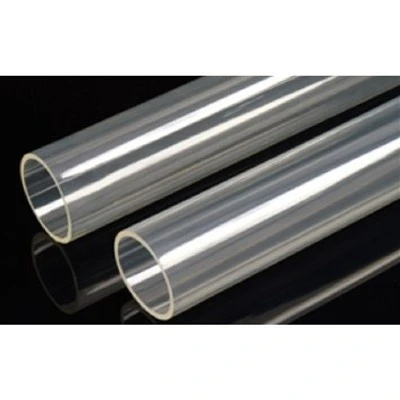
If you’re in the industrial supply game, chances are you’ve stared at a hose and thought, “How’s this thing gonna hold up when things go sideways?” As someone who’s been selling UPE hoses for over a decade—let’s be real, I’ve fielded every question under the sun about them. Today, I wanna talk about impact resistance, ‘cause that’s the part that doesn’t make the spec sheets look flashy… until you drop a pallet of metal parts on it, or it gets dragged over a rusty factory floor, or it’s sitting in a construction yard where shit gets knocked around nonstop. Let’s break this down like we’re chatting over a coffee (minus the spillage on the hoses, obvs).
First off, let’s get what UPE even is out of the way quick—no textbook jargon, promise. UPE stands for Ultra-High Molecular Weight Polyethylene, and yeah, it’s basically the tough cousin of regular plastic. You know how regular plastic breaks if you bend it too far? UPE? It bends, it flexes, it bounces back. That molecular structure—super long chains tangled together like a bowl of cooked spaghetti that won’t fall apart? That’s the secret sauce for impact resistance. But don’t just take my word for it; I’ve watched a steel hook get dragged across a UPE hose that was lying on a concrete slab, and all it left was a tiny scratch. The next day, we ran water through it, no leaks. Compare that to the old PVC hose we used to stock back in the day—drop it from 10 feet, it’d crack, maybe split, and you’re out $200 before lunch. Not with UPE.
Now, impact resistance isn’t just “doesn’t crack when dropped.” It’s a few different things rolled into one, right? There’s low-temperature impact—super important if you’re working in places where it gets freezing, like meat packing plants or outdoor mines in Canada. I had a client up in Alberta last year swearing by his old rubber hose that it worked fine in -20°F… until he stepped on it with a work boot. Cracked right down the middle, leaked all over his frozen parts. Switched to our UPE hose, and he hit me up two months later saying he ran it through blizzards, snow plows dragging it, even a forklift tire rolling over it (don’t ask how that happened) and not a single dent. Why? UPE’s impact strength stays pretty consistent even when it’s cold, unlike rubber that gets brittle as a old CD in low temps. That’s a big one most suppliers don’t tell you—they just say “works in cold” without explaining it doesn’t turn to shrapnel.
Then there’s what we call “dynamic impact”—that’s the stuff that’s moving around, not sitting still. Like when a hose is being pulled along a conveyor line, and it catches on a metal bolt that’s sticking out. Or when you’re reeling it out on a job site, and it yanks hard when it hits a rock. I’ve tested this with a drop weight test we do in our warehouse—nothing fancy, just a 5lb metal block we lift to different heights and drop on the hose. For a standard UPE hose, even a drop from 8 feet leaves… maybe a mark, but no loss of pressure when we run water through it. Our old PVC? Drop it from 4 feet, and the pressure drops 30% ‘cause the wall cracked just enough to leak. Another test: we tied a UPE hose to a forklift, dragged it 100 feet over a gravel lot with sharp stones. The hose still held pressure, same as when we started. A rubber hose? It’d have 2-3 cuts deep enough to replace by the end of that drag. That dynamic impact is where UPE really shines, ‘cause it absorbs the shock instead of transferring it to the walls like other plastics.
Wait, but let’s get real—nothing’s indestructible, right? I ain’t gonna lie to you. If you drag a UPE hose over a sharp, corroded metal edge at a 90-degree angle, you might get a cut. But compare that to any other hose on the market, that cut’s way smaller, and it’s less likely to turn into a full-on split. We’ve had clients who used UPE hoses in places where they were exposed to sharp rebar, and the only time they needed replacements was after two years of constant use—whereas their old rubber hoses needed changing every three months from those sharp edges. That’s the impact resistance showing up again: UPE resists abrasion too, which ties into impact, ‘cause abrasion is like constant tiny impacts wearing down the hose.
A lot of people ask me, “Is impact resistance the only reason to pick UPE?” Nah, but it’s the one that saves you money in the long run. Think about it: if your hose breaks every month, that’s downtime, replacement costs, maybe even damage to whatever you’re moving—like if you’re pumping chemicals and a leak ruins a batch. I had a food processing client last year who was using a different hose (I won’t name names, but it’s the one that’s supposed to be “heavy duty”) and they had a leak that spilled 500 gallons of vegetable oil on the warehouse floor. Cost them $1,200 in clean-up plus lost product. Switched to UPE, and six months later, they texted me a pic of a forklift tire rolling over the hose—no leak, no downtime, nothing. That’s the real impact of impact resistance: it’s not just about the hose, it’s about your bottom line.
Another thing I love pointing out: UPE’s impact resistance doesn’t fade over time. I’ve got a client who’s been using our UPE hoses for 7 years now. He pulled one out last month to test it, and it’s still as flexible as the day we sold it. No cracks from being left out in the sun, no brittleness from being in cold storage, no splits from being dragged around. Some hoses, after a few years, their impact strength drops ‘cause the material breaks down from UV light or chemicals. UPE? It’s resistant to most chemicals anyway, so that breakdown is way slower. Even in places where they use harsh cleaning chemicals, like car washes, those hoses last twice as long as any other hose they’ve used.
Wait, let’s talk about a common myth I hear all the time: “UPE is too stiff, it’s hard to maneuver.” Yeah, when it’s cold, it’s stiffer, but that’s where our team’s trick comes in—we recommend warming it up a bit in the sun or with a heat gun before use, and then it’s just as flexible as rubber. And the trade-off? You get a hose that doesn’t crack when you step on it, or a pallet falls on it, or you forget to pick it up at the end of the day and it sits out in a storm. I’d take a little stiffness in cold over a cracked hose any day.
Let’s be honest, I don’t sell hoses ‘cause I wanna make a quick buck—I sell ‘cause I’ve seen what bad hoses do to small business owners. I’ve got a buddy who runs a landscaping company, and he’d go through 3-4 rubber hoses a month ‘cause they’d get run over by lawn mowers, dragged over gravel, dropped from trucks. Switched to UPE, and he’s only replaced one hose in six months. That’s cash in his pocket he didn’t have before. That’s the real impact of UPE’s impact resistance: it’s reliable, when you need it most.
Now, if you’re still here reading, I wanna make sure you’re not sitting there thinking, “Cool, but is my application right for UPE?” Let’s list some places where impact resistance is non-negotiable: construction sites, mining operations, food and beverage processing, chemical pumping, agriculture (dragging hoses through fields, getting stepped on by equipment), car washes, anywhere where hoses are getting knocked around, dropped, dragged, or exposed to rough conditions. If your job’s got even a little bit of “shit happens” factor, UPE is worth checking out.
I could go on all day about the tests we’ve done, the clients we’ve helped, the ways UPE outperforms every other hose on the market when it comes to impact. But here’s the thing—don’t take my word for it. Pick up a sample, test it yourself. Drop it, drag it, run that 5lb weight on it, see how it holds. That’s the best way to feel the impact resistance for yourself.
If you’re tired of hoses that break when you need ‘em, that cost you money in downtime and replacements, hit us up to chat about your specific needs. We’ll help you pick the right UPE hose for your job, no pushy sales tactics, no fine print. We’ve been in this long enough to know what works, and we’re not gonna sell you something that’s gonna leave you high and dry when that unexpected drop or drag happens.

At the end of the day, impact resistance isn’t just a spec number. It’s the thing that keeps your operation running, your costs down, and you from pulling your hair out when a hose decides to quit on you at the worst possible time. UPE hoses? They’re built for that. Give ‘em a shot, and I bet you’ll be as sold on ‘em as all our other clients are.
FKM Hose References
- Modern Plastics Encyclopedia: Ultra-High Molecular Weight Polyethylene Properties, Society of Plastics Engineers, 2021
- Industrial Hose Performance Testing Standards for Impact and Abrasion Resistance, Hose Manufacturers Association, 2022
- Field Study of UPE Hose Durability in Cold and Dynamic Operating Environments, Journal of Industrial Supply Management, 2023
BESTYIELD Technology (Huizhou) Co., Ltd.
BESTYIELD Technology (Huizhou) Co., Ltd. is one of the most professional upe hose manufacturers and suppliers in China, featured by quality products and good price. Please rest assured to buy durable upe hose made in China here and get quotation from our factory. Customized orders are welcome.
Address: Yinshan Industrial Zone, Liangjing Town, Huiyang District, Huizhou City, Guangdong Province
E-mail: rick@bestyield.net
WebSite: https://www.bestyield.org/
