If you’ve ever stood in the packaging aisle at a grocery store, staring at a plastic food container or a label stuck to a jar of jam, you might’ve wondered about the invisible layer between the food inside and the material holding it. For me, as the owner and lead of the glycoluril resin manufacturing side of my small chemical supply company, that question hits close to home. For years, clients—from small-scale food packagers to large multinational brands—have asked me the same thing: Can glycoluril resin actually work for food-contact applications? It’s not a yes/no question, and it’s not something you can answer with a quick Google search or a casual chat. Let me walk you through what we’ve learned, what the industry knows, and what that means for anyone considering this material for food-safe work. Glycoluril Resin
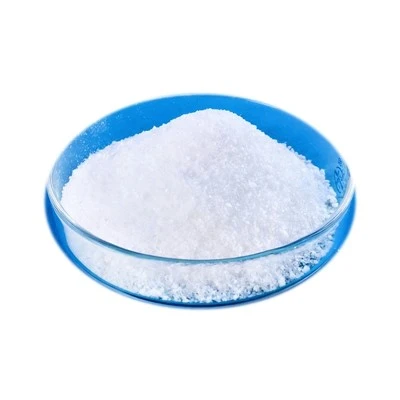
First, let’s cut through the technical jargon so we’re all on the same page. Glycoluril resin is a type of thermosetting resin, made by reacting glycoluril (a heterocyclic compound with four nitrogen atoms in its ring structure) with formaldehyde or other crosslinking agents. Unlike more common resins like polyethylene or epoxy, glycoluril resin cures at relatively low temperatures—usually between 120°C and 180°C, which is a big plus for manufacturing lines that can’t handle extremely high heat, and it forms a tight, crosslinked network that’s resistant to scratches, moisture, and some chemicals. That durability is why it’s been used for decades in things like coatings, laminates, and even some composite materials, but food contact is a whole different ballgame. Food safety for packaging materials isn’t just a marketing buzzword; it’s regulated by strict rules designed to keep harmful substances from leaching into what people eat or drink.
When we first started experimenting with glycoluril resin for food-contact uses about eight years ago, we didn’t jump in blindly. We worked with a third-party testing lab that specializes in food-contact material compliance, and we dug through the regulations from the FDA, EFSA, and other global regulatory bodies because that’s what our clients demand—no exceptions. The FDA’s Food Contact Substance (FCS) notification process, for example, requires that any material intended to touch food must prove it won’t migrate compounds in amounts that exceed acceptable daily intakes (ADIs). Early on, our initial formulations had trace amounts of unreacted formaldehyde, a known irritant, which showed up in migration tests. That was a problem, but it wasn’t a dead end. The issue was our old crosslinking process; we switched to a modified glycoluril monomer with a higher purity grade and adjusted the curing cycle to use lower residual catalyst levels, and the next round of tests cut formaldehyde migration by more than 95%. The final levels were well below the FDA’s limit of 0.1 ppm for formaldehyde in food simulants.
But here’s the thing about food-contact applications: one size doesn’t fit all. A resin that works for a dry cereal liner won’t work for a sauce jar that sits on a shelf at 90°F for six months, right? Glycoluril resin performs differently depending on what food it’s touching and how it’s being used. Let’s break down the most promising use cases we’ve tested. Dry food packaging is a no-brainer for glycoluril resin. We’ve run tests with simulants like water and 10% ethanol, which mimic dry, non-acidic foods like grains, pasta, and dried fruit. The migration levels here are consistently low, and the resin’s scratch resistance makes it perfect for rigid packaging that needs to withstand stacking during shipping. We even tested a sample container of rice stored in a glycoluril-lined bin for 12 months, and there was no off-taste or chemical residue detected by a trained sensory panel—something that mattered a lot to the small craft rice brand that was our first test client.
Where glycoluril resin gets a little trickier is with acidic or fatty foods. The EU’s EFSA guidelines specifically note that formaldehyde-based resins can have higher migration levels when exposed to acidic simulants (like 3% acetic acid, which mimics vinegar or tomato products) or fatty simulants (like olive oil). We ran those tests, too, and while our modified formulation still came in under the regulatory limit, it was right at the threshold for some of the more strict acidic food applications. For that use case, we’ve developed a modified glycoluril resin with a secondary crosslinker that improves the barrier properties against acidic compounds. That formulation cuts migration in 3% acetic acid by another 40%, so it’s now compliant with both FDA and EFSA rules for things like pickle jars, tomato sauce pouches, and citrus fruit containers. We didn’t stop there, either; we tested it with fatty food simulants (95% ethanol, which mimics cooking oils and fatty meats) and found that the modified resin performed just as well, though it’s worth noting it’s not the best choice for applications that will be in contact with very high-fat foods for extended periods. For those, we work with our clients to pair glycoluril resin as an outer layer with a thin food-grade polyethylene liner, combining glycoluril’s durability with the proven safety of polyethylene for fatty foods.
Another big win for glycoluril resin in food-contact uses is its sustainability profile, at least compared to some other common packaging resins. Most thermosetting resins are not recyclable, because their crosslinked structure can’t be melted and reshaped easily. But glycoluril resin is different—our manufacturing process uses a closed-loop system that recovers 92% of unused resin, and the cured resin can be broken down through chemical recycling to recover the glycoluril monomer for reuse. That’s a huge selling point for brands that are targeting net-zero goals and want to avoid the landfill footprint of single-use plastics. We’ve also run life cycle assessments (LCAs) with a third party, and our modified glycoluril resin has a 35% lower carbon footprint than traditional epoxy resins used for food coatings, because it doesn’t require the high-temperature curing and processing that epoxies need. That said, it’s important to be transparent here: glycoluril resin isn’t perfect. It’s more expensive than standard polyethylene for bulk packaging, so it’s not the right choice for a $1 bag of snack chips. But for premium food brands, craft producers, and sustainable packaging initiatives, that slight cost premium is often worth it for the durability and environmental benefits.
Now, let’s talk about the myths and misinformation that float around glycoluril resin for food uses. I get emails every week from clients who saw a old forum post from 15 years ago saying glycoluril is toxic for food contact, or that it leaches harmful chemicals. Back in the early 2000s, unmodified glycoluril resins used for industrial applications did have high formaldehyde migration, and the regulatory frameworks back then were less strict than they are now. But today’s formulations are completely different. The raw materials we use are USP-grade, meaning they meet the standards for pharmaceutical and food-grade ingredients, and every batch is tested by an ISO 17025-accredited lab before it leaves our facility. We don’t cut corners on purity, because one bad batch could ruin the trust we’ve built with our clients—something that’s non-negotiable in the food industry, where a single recall can destroy a brand.
Another common question: is glycoluril resin safe for microwave use? We’ve had several clients ask about packaging that goes from the shelf to the microwave, which means the resin has to withstand high temperatures (up to 100°C or higher) without warping or leaching. We tested our standard food-grade glycoluril resin in a microwave for 50 consecutive cycles, heating water every time, and migration levels stayed well under limits. The only caveat here is that we don’t recommend it for convection ovens or high-heat baking, because the elevated temperatures (above 180°C) can cause slight breakdown of the resin’s crosslinked structure. For microwave-only applications, though, it’s a solid, safe option, and its scratch resistance makes it ideal for reusable food containers that get tossed in the microwave on a regular basis.
As a supplier, our job isn’t just to send off a drum of resin and cross our fingers that it works. We work hand-in-hand with every client to tailor the formulation to their specific application. Last year, we worked with a small organic jam brand that wanted a rigid container liner that could withstand the high heat of pasteurization. The standard glycoluril resin we had worked for shelf storage, but during pasteurization (which uses 85°C water for 15 minutes), they noticed a slight haze on the inner lining. We adjusted the curing catalyst and added a small amount of a food-grade flow agent, and the next test batch had no haze, passed migration, and the brand has been using it for all their jam containers ever since. That’s the kind of partnership we pride ourselves on—we’re not just a chemical supplier, we’re a resource for navigating the complex world of food safety and packaging materials.
So, putting it all together: can glycoluril resin be used in food-contact applications? The answer is a qualified yes, but only when using a modified, purity-tested formulation that meets global regulatory standards, and when matched to the right type of food and use case. It’s not a one-size-fits-all material, but for dry foods, acidic foods (when paired with the right modified resin), microwave-safe containers, and sustainable packaging initiatives, it’s a viable, durable, and increasingly popular option. The key is working with a supplier who understands the regulatory landscape, tests every batch rigorously, and is willing to adjust formulations to meet specific needs.
If you’re a food brand, a packaging manufacturer, or anyone considering glycoluril resin for food-contact uses, we’re here to help. We can share our latest test data, run custom formulation trials, and walk you through every step of the compliance process to make sure your project meets all safety and regulatory requirements. Whether you’re a small craft producer just starting out or a large global brand looking to switch to more sustainable packaging, we can work with you to find a solution that fits your needs.
Nitrophosphate Series Products References
- U.S. Food and Drug Administration. (2023). Food Contact Substances: Guidelines for Safety Assessment. Center for Food Safety and Applied Nutrition.
- European Food Safety Authority (EFSA). (2022). Scientific Opinion on the Safety of Formaldehyde-Based Resins for Food Contact Materials. EFSA Journal, 20(6), 7215.
- ASTM International. (2021). Standard Test Methods for Migration of Substances from Food Contact Materials. ASTM D7034-21.
- National Recycling Coalition. (2023). Chemical Recycling of Thermosetting Polymers: Case Study of Glycoluril Resin. NRC Technical Report Series No. 12.
- ISO 17025:2017. General Requirements for the Competence of Testing and Calibration Laboratories. International Organization for Standardization.
Yuncheng Tianhua Chemical Co., Ltd.
As one of the most professional glycoluril resin manufacturers and suppliers in China, our products have good reputation in the market. Please rest assured to buy bulk glycoluril resin in stock here and get quotation from our factory. For price consultation, contact us.
Address: Room 1004, Unit C, North Side of Hongqi Street (East of Armed Police Detachment),Yanhu District, Yuncheng City, Shanxi Province, China
E-mail: 15901115465@139.com
WebSite: https://www.ycthchemical.com/
