Hey there! I’m a supplier of HQ Free Glue, and I often get asked this question: "Can HQ Free Glue be used on plastic?" Well, let’s dive right into it and find out. HQ Free Glue

First off, I wanna tell you a bit about HQ Free Glue. It’s a top – notch adhesive that’s been formulated with a lot of care. We’ve spent countless hours in the lab, testing and perfecting it to make sure it meets the highest standards. The "HQ" in the name stands for "High Quality", and that’s exactly what you’re getting. It’s free from a bunch of harmful chemicals, which makes it not only effective but also safe to use.
Now, let’s talk about plastic. Plastic is a super common material. You see it everywhere, from your phone case to your kid’s toys. There are different types of plastics out there, like polyethylene (PE), polypropylene (PP), polystyrene (PS), and polyvinyl chloride (PVC). Each type has its own unique properties, and that can affect how well glue adheres to it.
So, can HQ Free Glue work on plastic? The short answer is yes, but it depends on the type of plastic. For some plastics, it works like a charm. Take polystyrene, for example. HQ Free Glue can form a really strong bond with it. When you apply the glue to a polystyrene surface, the molecules in the glue interact with the molecules in the plastic. The glue seeps into the tiny pores of the plastic, creating a mechanical bond. And then, there are also some chemical reactions happening at a molecular level that make the bond even stronger.
Let me share a little story. One of my customers was making a model airplane out of polystyrene. He was having a hard time finding a glue that would hold the pieces together without melting the plastic. He tried a few different brands, but nothing worked well. Then he gave HQ Free Glue a shot. He was blown away by how well it worked. The pieces stuck together firmly, and the glue didn’t damage the plastic at all. He was able to finish his model airplane and it looked amazing.
But it’s not all sunshine and rainbows. Some plastics are a bit more challenging. Polyethylene and polypropylene, for instance, are known as "low – surface – energy" plastics. This means that their surfaces are kind of smooth and don’t have a lot of places for the glue to grab onto. When you try to use HQ Free Glue on these plastics, it might not adhere as well right off the bat.
However, don’t lose hope. There are some things you can do to improve the adhesion. One method is to roughen up the plastic surface. You can use a fine – grit sandpaper to gently sand the area where you’re going to apply the glue. This creates more surface area for the glue to bond to. Another option is to use a primer. A primer can help to prepare the plastic surface and make it more receptive to the glue.
I’ve also had customers who were working on PVC projects. PVC is a bit different from other plastics. It has a different chemical composition, and it can react with certain types of glue. But HQ Free Glue is designed to be compatible with PVC. It forms a strong, long – lasting bond that can withstand a fair amount of stress. Whether you’re making a PVC pipe structure or a PVC – based art project, HQ Free Glue can get the job done.
Now, let’s talk about the application process. When using HQ Free Glue on plastic, it’s important to follow a few simple steps. First, make sure the plastic surface is clean. Any dirt, grease, or dust can prevent the glue from bonding properly. You can use a mild soap and water to clean the surface, and then dry it thoroughly.
Next, apply a thin layer of the glue to one of the surfaces you want to bond. Don’t use too much glue, because it can make a mess and might not dry properly. Then, press the two surfaces together firmly. Hold them in place for a few minutes to allow the glue to start setting.
The drying time of HQ Free Glue can vary depending on the temperature and humidity. In general, it dries relatively quickly, but it’s best to let it cure for at least 24 hours to ensure a strong bond.
One of the great things about HQ Free Glue is its versatility. It’s not just for plastic. You can also use it on other materials like wood, metal, and ceramics. This makes it a really handy product to have around.
If you’re in the business of working with plastic, whether it’s for DIY projects, manufacturing, or repair work, HQ Free Glue can be a game – changer. It offers a reliable solution for bonding plastic parts together.
So, if you’re looking for a high – quality, safe, and effective glue for your plastic projects, give HQ Free Glue a try. I’m confident that you’ll be happy with the results.
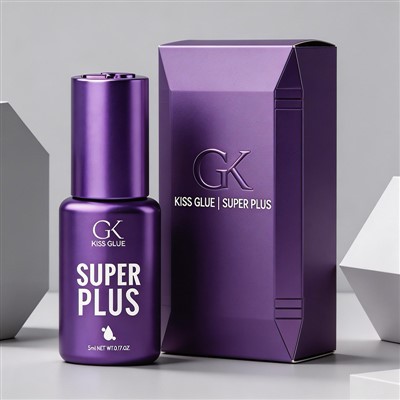
If you’re interested in purchasing HQ Free Glue or have any questions about it, feel free to reach out. We’re always here to help you with your adhesive needs. Whether you’re a small – scale DIYer or a large – scale manufacturer, we can provide the right amount of glue for your project.
Lash Lift References:
- "Handbook of Adhesives and Sealants"
- "Plastic Materials Science and Engineering"
Guangzhou Xingrong Biotechnology Co., Ltd.
Guangzhou Xingrong Biotechnology Co., Ltd. is one of the most professional hq free glue manufacturers and suppliers in China, also supports customized service with low price. Welcome to buy discount hq free glue made in China here from our factory. Contact us for pricelist.
Address: No. 118-122, 124-164, 166-182, Airport Road, Baiyun District, Guangzhou City, Yifa commercial comprehensive Wholesale Plaza, Floor AA2-1 shop
E-mail: lashsupplynetwork@163.com
WebSite: https://www.lashsupplynetwork.com/
