What is the clamping force of a fruit crate plastic injection moulding machine?
As a supplier of fruit crate plastic injection moulding machines, I often encounter questions from customers about the clamping force of these machines. In this blog post, I’ll delve into what clamping force is, why it’s crucial for fruit crate production, and how to select the right clamping force for your specific needs. Fruit Crate Plastic Injection Moulding Machine
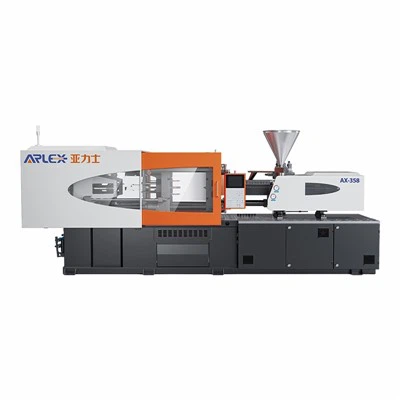
Understanding Clamping Force
The clamping force of a plastic injection moulding machine is the force applied by the clamping unit to keep the mould closed during the injection process. When molten plastic is injected into the mould cavity under high pressure, it exerts a force that tries to push the two halves of the mould apart. The clamping force must be sufficient to counteract this separating force and ensure that the mould remains closed. Otherwise, the plastic may leak out of the mould, resulting in defective products.
The clamping force is measured in tons, and it is one of the most important specifications of an injection moulding machine. It directly affects the size and complexity of the parts that can be produced. For fruit crates, which are relatively large and have a certain wall thickness, an appropriate clamping force is essential to ensure the quality and integrity of the final product.
Importance of Clamping Force in Fruit Crate Production
-
Product Quality
- A sufficient clamping force ensures that the mould remains tightly closed during the injection process. This prevents flash, which is the excess plastic that can seep out between the mould halves. Flash not only affects the appearance of the fruit crate but also requires additional post – processing to remove, increasing production costs and time.
- Proper clamping force also helps to ensure uniform wall thickness in the fruit crate. If the clamping force is too low, the pressure of the injected plastic may cause the mould to open slightly, resulting in uneven wall thickness and weak spots in the crate.
-
Production Efficiency
- With the right clamping force, the injection process can be carried out smoothly. The machine can operate at a higher speed without the risk of mould separation, which increases the production output. This is crucial for meeting the high – volume demands of the fruit packaging industry.
- A machine with an appropriate clamping force also reduces the number of defective products. Fewer defective products mean less waste and lower production costs, as well as a more efficient use of raw materials.
-
Mould Longevity
- When the clamping force is correctly set, the mould experiences less stress during the injection process. This reduces the wear and tear on the mould, extending its lifespan. A longer – lasting mould means lower replacement costs and less downtime for mould changes, which is beneficial for overall production efficiency.
Factors Affecting the Required Clamping Force
-
Crate Size and Geometry
- Larger fruit crates generally require a higher clamping force. The larger the surface area of the crate, the greater the force exerted by the injected plastic on the mould. For example, a large – sized fruit crate with a complex shape may need a machine with a clamping force of 500 tons or more, while a smaller, simpler crate may only require 200 – 300 tons.
- The shape of the crate also plays a role. Crates with deep cavities or undercuts require more clamping force to ensure that the plastic fills all the areas of the mould properly.
-
Plastic Material
- Different plastic materials have different flow properties and injection pressures. For example, polypropylene, which is commonly used for fruit crates, has a relatively low viscosity compared to some other plastics. However, if a different material with higher viscosity is used, a higher clamping force may be required to inject the plastic into the mould.
- The temperature and pressure at which the plastic is injected also affect the required clamping force. Higher injection pressures generally require higher clamping forces to keep the mould closed.
-
Injection Pressure
- The injection pressure is the force used to push the molten plastic into the mould cavity. A higher injection pressure means a greater force trying to separate the mould halves. Therefore, the clamping force must be increased accordingly. The injection pressure depends on factors such as the plastic material, the size and shape of the mould, and the injection speed.
Selecting the Right Clamping Force
-
Understand Your Production Requirements
- First, determine the size and shape of the fruit crates you want to produce. Measure the dimensions of the crate, including its length, width, and height, as well as any complex features such as ribs or handles.
- Consider the production volume. If you need to produce a large number of crates per day, you may need a machine with a higher clamping force to ensure efficient production.
-
Consult with Experts
- As a supplier, we have extensive experience in the field of plastic injection moulding. We can provide you with professional advice on selecting the right clamping force based on your specific requirements. Our technical team can analyze your product design and production needs to recommend the most suitable machine.
- You can also consult with other industry experts, such as mould designers or plastic processing consultants. They can offer valuable insights based on their knowledge and experience.
-
Test and Evaluate
- If possible, conduct test runs with different clamping forces on a sample mould. This will allow you to see how the clamping force affects the quality of the fruit crates. You can measure the wall thickness, check for flash, and evaluate the overall appearance of the products.
- Based on the test results, you can make an informed decision on the appropriate clamping force for your production.
Conclusion

The clamping force of a fruit crate plastic injection moulding machine is a critical factor in ensuring the quality, efficiency, and longevity of the production process. By understanding the concept of clamping force, its importance in fruit crate production, and the factors that affect it, you can make a more informed decision when selecting a machine.
Injection Molding Auxiliary Equipment As a supplier of fruit crate plastic injection moulding machines, we are committed to providing you with high – quality machines and professional support. If you are interested in purchasing a machine or have any questions about clamping force or other aspects of plastic injection moulding, please feel free to contact us. We look forward to discussing your needs and helping you find the best solution for your business.
References
- "Plastic Injection Moulding Handbook" by Rosato, Dominick V.
- "Injection Moulding of Thermoplastics Materials" by Osswald, Tim A. and Turng, Lih – Sing.
- Industry reports on plastic injection moulding for fruit crate production.
Ningbo Yalishi (Arlex) Plastic Machinery Co., Ltd.
Ningbo Yalishi(Arlex) Plastic Machinery Co., Ltd. is one of the most reliable fruit crate plastic injection moulding machine manufacturers and suppliers in China, featured by quality products and low price. Please rest assured to wholesale cheap fruit crate plastic injection moulding machine made in China here from our factory. Customized orders are welcome.
Address: No.63, Huangsu East Road, Industrial Zone, Dongqian Lake Tourist Resort, Ningbo, Zhejiang Province
E-mail: leo@arlex.cn
WebSite: https://www.arleximm.com/
