Hey there! As a supplier of raised false flooring, I often get asked if there are any anti – microbial options out there. In today’s blog, I’m gonna dive deep into this topic and share what I know about anti – microbial raised false flooring. Raised False Flooring
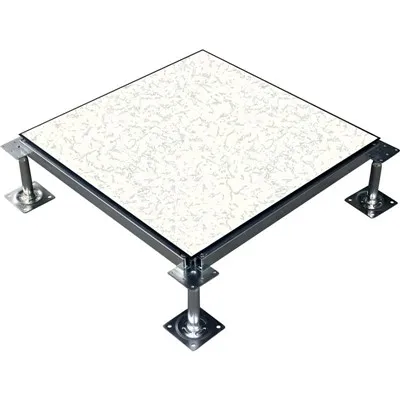
First off, let’s talk about why anti – microbial properties in raised false flooring can be a big deal. In many settings, like hospitals, laboratories, and food processing facilities, maintaining a clean and germ – free environment is super important. Microbes, such as bacteria, viruses, and fungi, can easily spread on surfaces. And the floor is one of the most frequently touched and contaminated areas. If the flooring can actively resist the growth of these microbes, it can significantly reduce the risk of infections and cross – contamination.
Now, let’s get into the available anti – microbial raised false flooring options.
1. PVC (Polyvinyl Chloride) Raised False Flooring with Anti – microbial Additives
PVC is a popular choice for raised false flooring due to its durability, flexibility, and ease of installation. When it comes to anti – microbial features, manufacturers can add special anti – microbial agents to the PVC material during the production process. These agents work by either inhibiting the growth of microbes or killing them on contact.
One of the great things about PVC anti – microbial raised false flooring is that it’s relatively easy to clean. You can use common cleaning solutions, and the anti – microbial properties will still remain effective over time. It’s also resistant to wear and tear, which means it can withstand heavy foot traffic and equipment movement in commercial and industrial settings.
However, there are some downsides too. PVC can release volatile organic compounds (VOCs) when it’s new, which might not be ideal for indoor air quality, especially in sensitive environments like hospitals. Also, if the floor gets scratched or damaged, the anti – microbial layer might be compromised, reducing its effectiveness.
2. Epoxy Coated Raised False Flooring
Epoxy coating is another option for creating anti – microbial raised false flooring. Epoxy is a tough, chemical – resistant material that can be applied as a coating on the surface of the flooring. Anti – microbial agents can be mixed into the epoxy before application.
This type of flooring offers excellent resistance to chemicals, stains, and abrasions. It creates a smooth, seamless surface that’s easy to clean and disinfect. In addition, the epoxy coating can enhance the overall strength and durability of the raised false flooring.
But epoxy coated flooring has its limitations. The application process can be a bit complex and time – consuming. It usually requires a professional installer, and the floor needs to be properly prepared before coating. Also, if the epoxy coating starts to peel or chip, it can expose the underlying material and reduce the anti – microbial protection.
3. Stainless Steel Raised False Flooring
Stainless steel is a naturally anti – microbial material. It contains elements like chromium and nickel that have inherent anti – microbial properties. Raised false flooring made of stainless steel is a great option for environments where hygiene is of utmost importance, such as pharmaceutical cleanrooms and high – end laboratories.
Stainless steel flooring is extremely durable and resistant to corrosion, heat, and chemicals. It can be easily cleaned and sanitized, and its smooth surface doesn’t allow microbes to adhere easily. Moreover, it has a long lifespan, which can save money in the long run.
On the flip side, stainless steel raised false flooring is relatively expensive compared to other options. It can also be noisy when people walk on it, and it might require additional insulation to reduce heat transfer.
Factors to Consider When Choosing Anti – microbial Raised False Flooring
When you’re in the market for anti – microbial raised false flooring, there are several factors you should keep in mind.
1. Environment
Consider the type of environment where the flooring will be installed. For example, if it’s a healthcare facility, you’ll need a flooring option that can withstand frequent disinfection and has a high level of anti – microbial effectiveness. In a food processing plant, the flooring should be resistant to food spills and chemicals used for cleaning.
2. Budget
Your budget will play a major role in your decision. Stainless steel flooring might offer the best anti – microbial properties, but it’s also the most expensive. PVC and epoxy coated flooring are more budget – friendly options, but you need to balance the cost with the performance.
3. Maintenance
Think about the maintenance requirements of the flooring. Some options are easier to clean and maintain than others. For instance, PVC flooring can be cleaned with simple cleaning agents, while epoxy coated flooring might need more specialized cleaning products to ensure the coating stays intact.
4. Aesthetics
The look of the flooring also matters, especially in public areas or office spaces. You want a flooring option that not only functions well but also looks good. There are various colors and finishes available for different types of anti – microbial raised false flooring, so you can choose one that suits your aesthetic preferences.
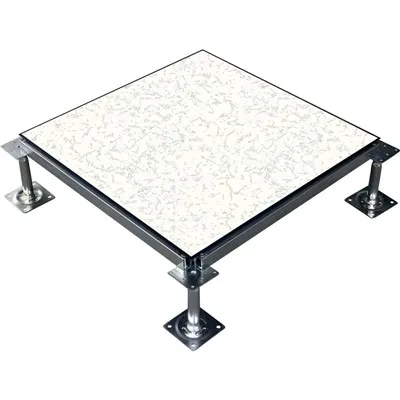
As a raised false flooring supplier, I can help you navigate through all these options and find the best anti – microbial raised false flooring for your specific needs. Whether you’re running a small business or a large industrial complex, I have the knowledge and expertise to offer you the right solution.
Raised Tile Flooring If you’re interested in learning more about our anti – microbial raised false flooring options or if you want to discuss a potential project, don’t hesitate to get in touch. We can have a chat about your requirements and come up with a customized solution that fits your budget and needs. Let’s work together to create a cleaner and safer environment with the right raised false flooring.
References
- Smith, J. (2020). "The Importance of Anti – microbial Flooring in Healthcare Facilities." Journal of Hygiene and Sanitation.
- Brown, A. (2021). "Advances in Anti – microbial Materials for Flooring." Materials Science Review.
- Green, C. (2019). "Choosing the Right Raised False Flooring for Industrial Applications." Industrial Flooring Magazine.
Fineco Tech Co., Ltd.
As one of the most professional raised false flooring manufacturers and suppliers in China, we’re featured by quality products and good service. Welcome to wholesale customized raised false flooring made in China here from our factory. If you have any enquiry about cooperation, please feel free to email us.
Address: Wuyue Square, Wujin District, Changzhou, Jiangsu, China
E-mail: info@finecotech.com
WebSite: https://www.finecoglobal.com/
