When it comes to metalworking and surface finishing, Metal Fickert Abrasive stands out as a top – tier solution for professionals across various industries. As a proud supplier of Metal Fickert Abrasive, I’ve witnessed firsthand the remarkable results it can achieve when used correctly. In this blog, I’ll share some of the best practices for using Metal Fickert Abrasive to maximize its performance and value. Metal Fickert Abrasive
Understanding Metal Fickert Abrasive
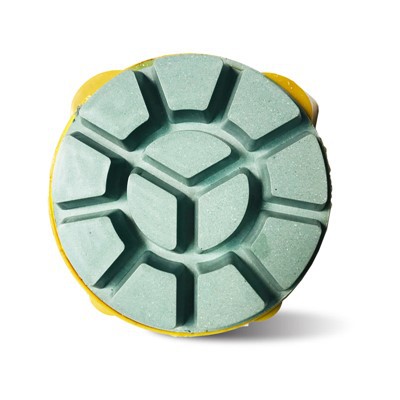
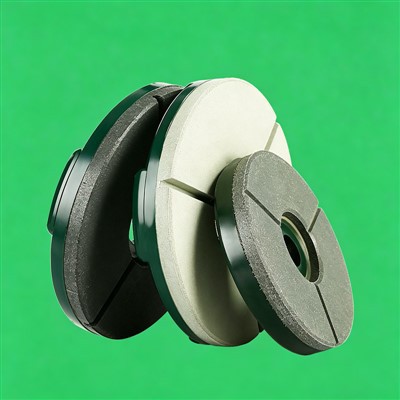
Before delving into the best practices, it’s essential to understand what Metal Fickert Abrasive is. This abrasive is engineered with high – quality materials designed to offer superior cutting, grinding, and finishing capabilities. It comes in various forms, including grinding wheels, sanding belts, and abrasive discs, each tailored to specific applications. The key components of Metal Fickert Abrasive are carefully selected to ensure durability, efficiency, and consistent performance.
Safety First
Safety should always be the top priority when using any abrasive product. Metal Fickert Abrasive is no exception. Here are some safety measures to follow:
- Protective Gear: Wear appropriate personal protective equipment (PPE), such as safety glasses, gloves, and a dust mask. Metal Fickert Abrasive can generate fine particles during use, which can be harmful if inhaled or cause eye injuries.
- Ventilation: Ensure adequate ventilation in the work area. This helps to remove dust and fumes generated during the abrasion process, reducing the risk of respiratory problems.
- Machine Inspection: Before using Metal Fickert Abrasive on any machine, inspect the machine thoroughly. Check for proper functioning, loose parts, and correct installation of the abrasive. A malfunctioning machine can pose significant safety risks.
Selecting the Right Abrasive
Choosing the appropriate Metal Fickert Abrasive for the task at hand is crucial for achieving the best results.
- Grit Size: The grit size determines the coarseness or fineness of the abrasive. For rough grinding and material removal, a coarser grit is recommended. For finishing and polishing, a finer grit should be used. For example, a 36 – grit abrasive is ideal for removing large amounts of material quickly, while a 220 – grit is better for a smooth finish.
- Type of Abrasive: Different types of Metal Fickert Abrasive are suitable for different materials. For soft metals like aluminum, a silicon carbide – based abrasive may be more appropriate. For harder metals like steel, an aluminum oxide – based abrasive often delivers better performance.
- Application Method: Consider how the abrasive will be applied. If using a handheld power tool, the size and shape of the abrasive need to be compatible with the tool. For machine – based applications, ensure that the abrasive is properly mounted and balanced.
Proper Mounting and Installation
Correct mounting and installation of Metal Fickert Abrasive are essential for both safety and performance.
- Correct Fit: Make sure the abrasive fits properly on the machine or tool. An ill – fitting abrasive can cause vibrations, uneven wear, and even cause the abrasive to come loose during use.
- Tightening: When mounting an abrasive wheel or disc, tighten it according to the manufacturer’s specifications. Over – tightening can damage the abrasive, while under – tightening can pose a safety hazard.
- Balancing: For high – speed applications, balance the abrasive to prevent uneven wear and excessive vibrations. An unbalanced abrasive can lead to poor surface finish and premature wear of the machine components.
Operating Techniques
The way you operate the Metal Fickert Abrasive can significantly impact its performance.
- Pressure: Apply the right amount of pressure. Too much pressure can cause the abrasive to wear out quickly and may also result in a poor surface finish. Too little pressure may not achieve the desired material removal rate. Start with a light pressure and gradually increase it as needed.
- Speed: Use the appropriate speed for the abrasive and the application. Different Metal Fickert Abrasives have recommended speed ranges, and exceeding these limits can lead to overheating, reduced performance, and safety risks.
- Movement: Move the abrasive evenly across the workpiece. This helps to ensure uniform material removal and a consistent finish. For circular abrasives, make sure to use a back – and – forth or circular motion to avoid creating uneven surfaces.
Maintenance and Storage
Proper maintenance and storage of Metal Fickert Abrasive are vital for its long – term performance.
- Cleaning: After each use, clean the abrasive to remove any debris or built – up material. This helps to maintain its cutting efficiency. You can use a wire brush or a suitable cleaning agent to clean the abrasive.
- Inspection: Regularly inspect the abrasive for signs of wear, damage, or cracks. A worn or damaged abrasive should be replaced immediately to avoid safety issues and poor results.
- Storage: Store Metal Fickert Abrasive in a dry and cool place. Exposure to moisture, heat, or humidity can damage the abrasive and reduce its performance. Keep the abrasives in their original packaging to protect them from dust and other contaminants.
Troubleshooting
Even when following best practices, you may encounter some issues with Metal Fickert Abrasive. Here are some common problems and solutions:
- Excessive Wear: If the abrasive is wearing out too quickly, check the pressure, speed, and the type of material being worked on. Adjust these factors as needed.
- Poor Surface Finish: A poor surface finish may be due to incorrect grit size, uneven movement, or worn – out abrasive. Try using a finer grit, improving your operating technique, or replacing the abrasive.
- Vibrations: Vibrations can be caused by an unbalanced abrasive, loose mounting, or a malfunctioning machine. Check the mounting and balance of the abrasive and inspect the machine for any issues.
Cost – Efficiency Considerations
Using Metal Fickert Abrasive in a cost – efficient manner is important for businesses. By following the best practices mentioned above, you can extend the life of the abrasive, reduce waste, and improve productivity. For example, using the correct grit size from the start can prevent the need for multiple passes, saving both time and abrasive material.
Conclusion
Metal Fickert Abrasive is a powerful tool for metalworking and surface finishing when used correctly. By following the best practices in safety, selection, mounting, operation, maintenance, and troubleshooting, you can achieve excellent results and get the most out of your investment. Whether you’re a small – scale workshop or a large – scale manufacturing facility, these best practices will help you optimize the performance of Metal Fickert Abrasive.
Diamond Grinding Disc If you’re interested in learning more about Metal Fickert Abrasive or have any questions about our product range, I encourage you to contact us for a detailed discussion. We’re committed to providing the best quality products and professional advice to meet your specific needs. Let’s start a conversation about how Metal Fickert Abrasive can enhance your metalworking processes.
References
- "Abrasive Engineering Handbook," Industry Press, [Year]
- "Best Practices in Metal Surface Finishing," Journal of Metalworking Technology, [Year]
- "Safety Guidelines for Abrasive Use," National Safety Council Publications, [Year]
Quanzhou Cheefung New Materials Co., Ltd.
As one of the most experienced metal fickert abrasive enterprises in China, we are able to meet the needs of the majority of our customers. Please feel free to wholesale advanced metal fickert abrasive made in China here from our factory. For price consultation, contact us.
Address: Jinshan Community, Licheng District, Quanzhou City, Fujian, China
E-mail: info@prostonetools.com
WebSite: https://www.prostonetools.com/
